Common Signs Your Fairview Home Needs Foundation Repair
Foundation problems in Fairview, NC rarely start big. They creep in as sticky doors after a wet week, a thin crack that grows by winter, or floors that feel slightly off. Homeowners in Cane Creek Valley, Fletcher border neighborhoods, and along Charlotte Highway all see similar patterns driven by clay-heavy soils, seasonal rain, and freeze-thaw cycles. Knowing what to watch for can save thousands and protect the value of the home.
Why Fairview homes see foundation stress
Western North Carolina soil shifts as moisture changes. Red clay expands during rainy spells and contracts during dry stretches. Basements in low-lying lots near creeks feel hydrostatic pressure after storms. Older farmhouses on pier-and-beam settle differently from newer concrete slab homes. This movement shows up as cracks, uneven floors, and moisture issues. A local foundation repair company reads these patterns fast because they match Fairview’s soil profile and drainage habits.
Hairline vs. harmful: understanding wall and floor cracks
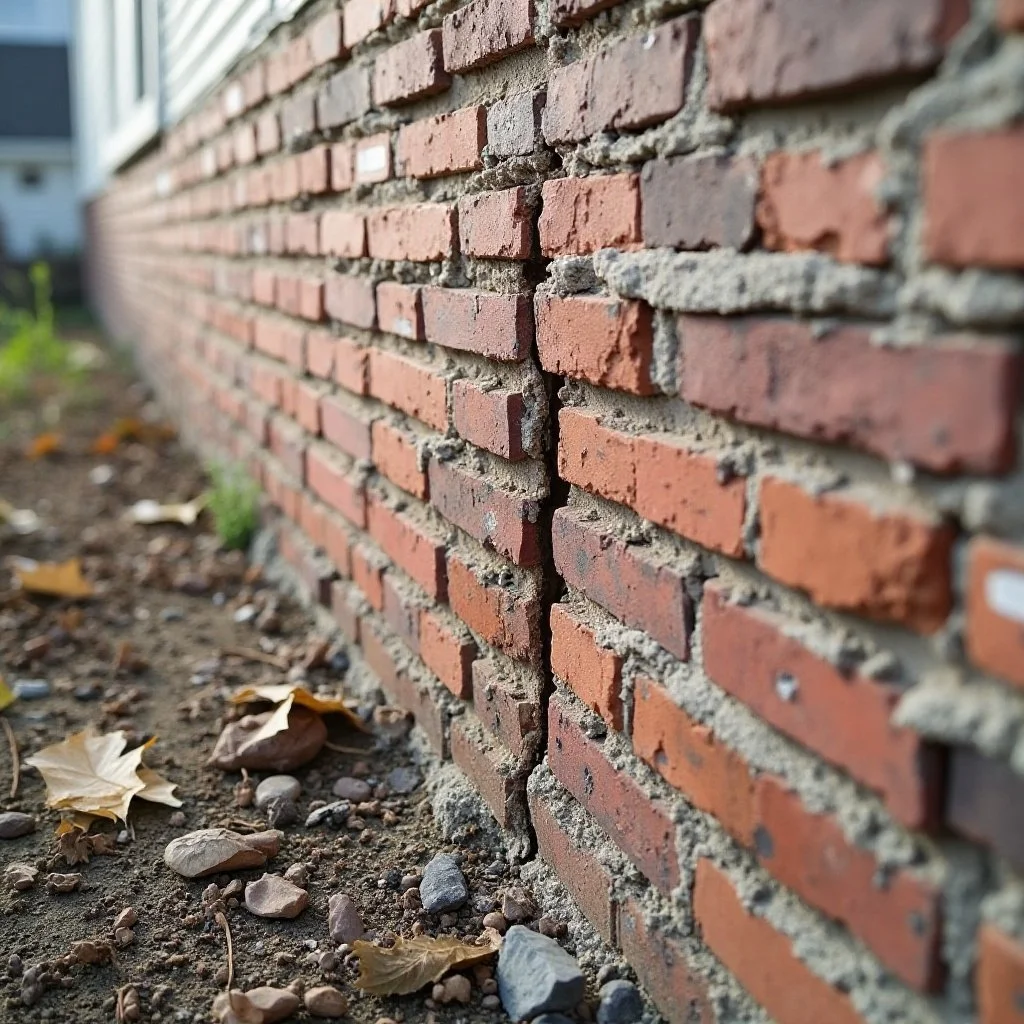
Thin, vertical hairline cracks in poured concrete often come from curing. They are common and usually cosmetic. Wider cracks, stair-step cracks in block walls, or horizontal cracks need attention. Horizontal cracks on basement walls can signal soil pressure, especially after heavy mountain rains. If a crack grows past the width of a nickel, changes direction, or leaks during storms, the risk rises. In crawl spaces, cracks in interior piers or shifting shims often match sagging floors above.
Doors, windows, and trim that tell the truth
Doors that rub or refuse to latch point to movement. So do window frames with growing gaps or locks that go out of alignment. Look at trim: baseboards pulling away and diagonal cracks from the corners of door frames are classic. In Fairview’s split-level and ranch homes, movement shows up as one end of the house dipping slightly. Seasonal change can cause small shifts, but repeated sticking through spring and fall points to settlement rather than weather alone.
Floors that bounce, slope, or ripple
A gentle slope may be fine in an old farmhouse, but increased sloping or a bouncy feel indicates trouble beneath. High humidity in crawl spaces weakens joists and beams. Wood rot or undersized piers allow deflection. On slabs, a hump often forms where soil heaves under interior load-bearing walls. A laser level or simple marble test down a hallway can show drift. If furniture shimmies or dishes rattle when someone walks by, support is fading.
Moisture clues: water follows the path of least resistance
Watermarks along basement walls, efflorescence (white powder), and a musty odor signal intruding moisture. After a Fairview thunderstorm, hydrostatic pressure pushes water through small wall or floor cracks. In crawl spaces, condensation on ducts and plumbing drips onto soil, feeding mold and wood decay. Standing water, high humidity, or rust on metal supports all indicate that drainage or ventilation needs correction. Foundation repair NC projects often pair structural work with drainage improvements for results that last.
Chimneys, porches, and steps pulling away
A leaning chimney or a separation line where the chimney meets the siding is a red flag. Brick steps and porch stoops that sink at the outside corners point to soil settlement. If the gap grows through the season, or you can see daylight between materials that were once tight, the foundation is moving. In Fairview’s rolling lots, porches on fill soil move sooner than the main house.
What problems look like in crawl spaces vs. basements vs. slabs
Basements in Fairview commonly show bowing walls from lateral pressure, especially on the downhill side of a lot. Crawl spaces suffer from wood rot, sinking piers, and mold-driven softening of joists. Slab-on-grade homes show slab cracks that telegraph into tile or vinyl planks and exterior brick cracks in stair-step patterns. Concrete foundation repair North Carolina methods vary by structure: wall anchors or carbon fiber for bowing walls, steel push piers or helical piers for settlement, and crawl space jacks with beam sistering for sagging floors.
What homeowners can safely check in five minutes
- Walk the perimeter and photograph exterior cracks in siding, brick, or foundation. Recheck monthly to notice growth.
- Open and close the same two doors and one window on opposite sides of the home. Note changes after heavy rain.
- Shine a light along baseboards and crown to spot separations or nail pops.
- In the crawl space, look for damp soil, mold on joists, or leaning piers.
- Place a marble on a hallway floor and note direction and speed of roll.
How much does foundation repair cost in North Carolina?
Foundation repair cost varies with the problem and the home’s layout. In Western North Carolina, ballpark ranges often look like this:
- Steel push or helical piers: roughly $1,200 to $2,500 per pier installed, with many homes needing 4 to 12 piers.
- Crawl space support jacks and beam work: often $2,500 to $9,000, higher with wood replacement.
- Bowed wall stabilization: carbon fiber straps can start around $450 to $900 per strap; wall anchors may run $900 to $1,800 per anchor depending on access.
- Drainage and waterproofing: interior systems with sump pumps often range from $4,000 to $12,000; exterior corrections vary widely with grading and downspout extensions.
A thorough local assessment refines these numbers. Soil type, access, landscaping, and whether plumbing is involved can move costs up or down. Many homeowners use phased work to handle the most urgent items first.
Repair methods that fit Fairview conditions
Piering stops settlement by transferring the home’s weight to stable soils or bedrock. Helical piers work well in softer or fill soils common along creek-adjacent lots. Push piers fit heavier structures with suitable bearing layers. For bowing basement walls, carbon fiber straps are low-profile when movement is slight to moderate, while wall anchors address more pronounced bowing. In crawl spaces, adjustable steel posts with new beams correct sag. Encapsulation with a proper vapor barrier, sealed vents, and a dehumidifier stabilizes humidity and protects wood.
Timing matters: when to call for help
Small cracks and minor seasonal door sticking are normal. Call a foundation repair company when cracks grow, repeat leaks follow storms, or floors change level within a few months. Sudden shifts after a plumbing leak, a failed gutter system, or a foundation repair Fairview NC downspout that dumps at the foundation deserve quick attention. Fast movement means a load path changed, which can spread damage if ignored. Most evaluations are free or low-cost and include a written plan, which helps with quotes from foundation repair services near me searches.
Preventive steps that pay off
Keep gutters clean and add extensions that carry water 6 to 10 feet from the house. Regrade soil so it slopes away at least 6 inches over the first 10 feet. In crawl spaces, fix plumbing drips and insulate cold ducts to reduce condensation. Add splash blocks to downspouts near porch slabs. These small fixes often reduce risk and may cut the scope of any future foundation repair Fairview NC project.
Local context: Fairview neighborhoods and soil behavior
Homes near Garren Creek and Cane Creek often sit on wetter soils, which means more lateral pressure on basement walls after storms. Properties along Old Fort Road and Gap Creek may see differential settlement where fill meets native soil. Newer builds off Charlotte Highway with slab foundations can develop shrinkage cracks that need monitoring, especially in the first few years. Sharing these details with a foundation repair North Carolina specialist helps them target tests and measurements.
Why homeowners choose a local specialist
A team that works daily in Western NC reads clay behavior, rainfall patterns, and hillside loading without guesswork. They also know which repairs pass Buncombe County code reviews cleanly and what appraisers look for in repair documentation. The best foundation repair Fairview NC providers explain options in plain language, phase work when possible, and photograph each step so homeowners can see progress. That documentation adds value if the home goes on the market.
Ready for a clear answer?
If the home shows any of the signs above, a short visit can tell whether it needs monitoring, simple maintenance, or true repair. Search foundation repair near me and look for Functional Foundations by name, or call to schedule a local assessment in Fairview and surrounding ZIP codes. The team handles crawl space stabilization, piering, wall repair, drainage, and concrete foundation repair North Carolina homeowners rely on. Quotes are straightforward, timelines are realistic, and the work focuses on long-term stability.
Functional Foundations serves Fairview, Fletcher, Arden, Swannanoa, and South Asheville with foundation repair NC expertise grounded in local soil data and thousands of inspected homes. Reach out for a same-week visit and a written plan that fits the house, the budget, and the way the family lives in it.